
Floors that get their finish back, not just a mop.
Strip, seal, recoat and burnish cycles for VCT, terrazzo, polished concrete, tile and sealed hardwood. Scheduled outside occupancy hours, dry and back in service before your doors open.

The cycle matters more than the chemical
Hard floors do not fail because of one bad night. They fail because the cycle is wrong: burnished too rarely and the gloss dies, stripped too often and the tile wears thin, recoated over trapped soil and the finish clouds from underneath.
We set the cycle to the traffic each area actually takes. A lobby entrance, a back corridor and a break room do not belong on the same calendar, and treating them as one is how a facility ends up stripping floors that only needed a scrub and recoat.
Every job is scheduled against your operating hours, with dry times built into the plan rather than hoped for. If the floor cannot be closed long enough for a full strip, we say so and propose the cycle that fits instead.
- Surfaces
- VCT, terrazzo, concrete, tile, sealed wood
- Typical strip cycle
- 1 to 2 times per year, by traffic
- Scrub and recoat
- Quarterly to semi-annual
- Burnish
- Weekly to monthly on high-traffic runs
- Service window
- Nights, weekends or scheduled closures
- Finish coats
- Typically 4 to 5 after a full strip
What is included
Priced by area and by cycle, so you can see exactly what a given night buys.
Restorative work
- Full strip: finish removal down to bare substrate
- Neutralize and rinse before any new coat goes down
- Seal and finish application, typically 4 to 5 coats
- Scrub and recoat to extend an existing finish
- Grout cleaning and color sealing on tile
- Concrete densifying and polish maintenance
- Terrazzo honing and polishing
- Baseboard and corner detail, including finish removal from edges
Maintenance work
- High-speed burnishing for gloss and traffic resistance
- Auto-scrubber deep cleaning on large open areas
- Spray buff on localized traffic patterns
- Carpet extraction and spot treatment
- Entry matting program to stop soil at the door
- Furniture lift, protection and reset around the work area
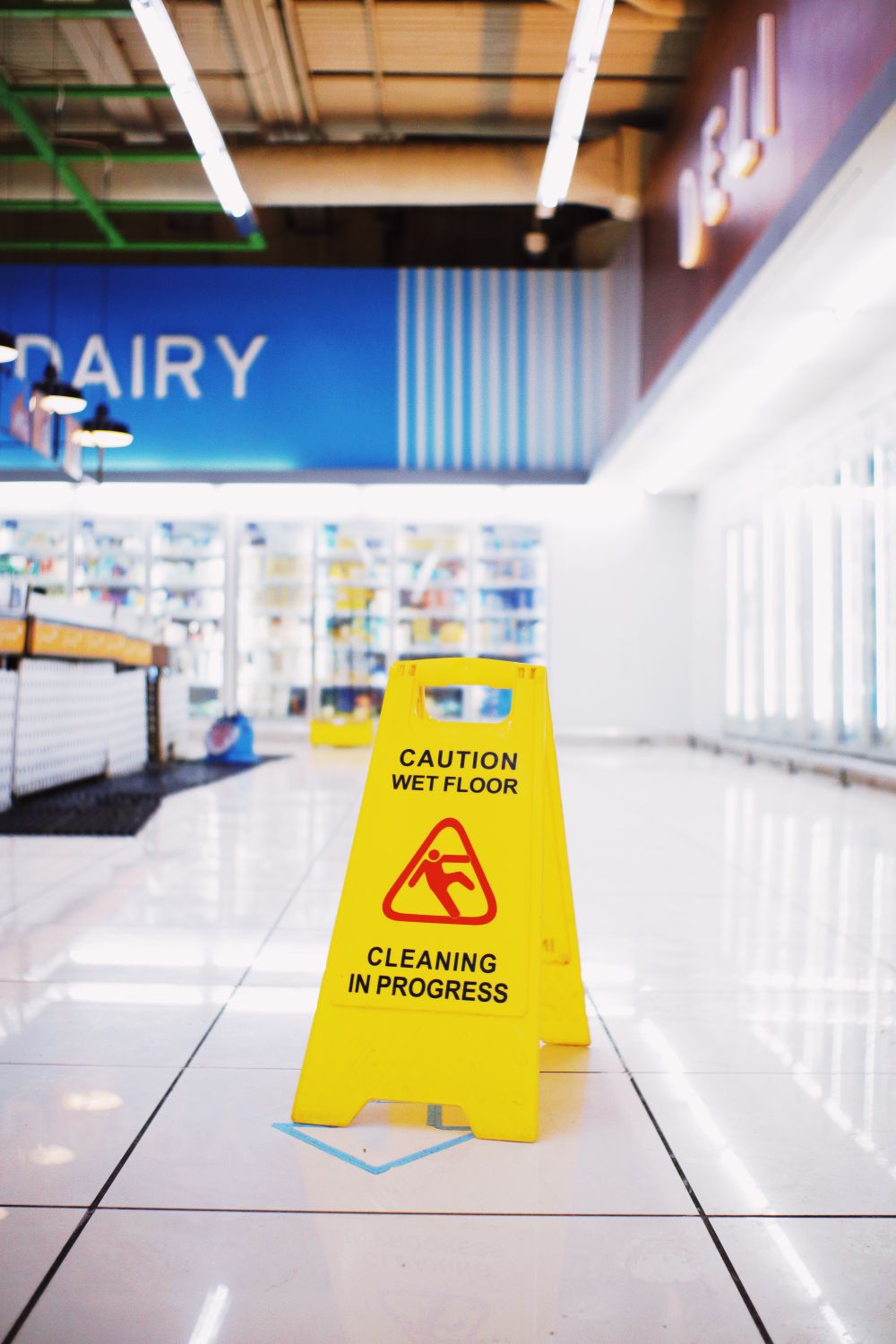
- Wet floor signage and safe routing during dry time
- Before and after documentation of each treated area
How the work runs
Identify the surface
We confirm the material and the existing finish. The wrong assumption here ruins a floor, so we test a small area first.
Plan around your hours
Areas sequenced so the building stays usable, with dry time scheduled instead of rushed.
Protect and execute
Furniture lifted, edges cut in by hand, coats applied at the interval the product requires.
Set the next cycle
You leave with a written calendar for burnish, recoat and strip, priced per visit.
Who hires this program
Usually the buildings where the floor is the first thing a visitor sees.
Office lobbies
Entrance runs and elevator lobbies, burnished on a short cycle to hold gloss under traffic.
Medical facilities
Corridors and treatment areas, sealed for infection control and cleanability.
Retail floors
Sales floor VCT and polished concrete, scheduled overnight between store hours.
Schools
Full strip and refinish during summer and winter breaks, corridor by corridor.
Restaurants
Kitchen quarry tile degreasing and dining room hard floor restoration.
Industrial
Warehouse concrete densifying, plus sealed office and break room areas.
Fewer strips is the greener answer
The most sustainable floor program is the one that does not have to rip everything off every year. Extending a finish beats replacing it, in cost and in waste.
- Scrub and recoat prioritized over full strip whenever the finish allows
- Low-odor, low-VOC finish and sealer options for occupied buildings
- Slurry contained and disposed to the applicable requirements
- Water use managed through auto-scrubber recovery
- Matting and entry strategy, because soil stopped at the door never needs a chemical
Tell us what is on the floor
Surface type, square footage and how many hours you can give us. That is enough for a written scope and a fixed price per cycle.